

Sumo deadlift vs barbell deadlift
Conventional pulls with the feet about hip-width and the hands outside the knees. Sumo pulls with a wide stance, toes turned out and the hands inside the knees. Both lift the same bar from the same floor, and both are legal in powerlifting.
Short answer
Pick conventional if you have a shorter torso and long arms, or want the most back and hamstring work. Pick sumo if a wide stance lets you keep your back more upright and the bar closer, or you want more quad, glute and adductor work. Many lifters pull both.
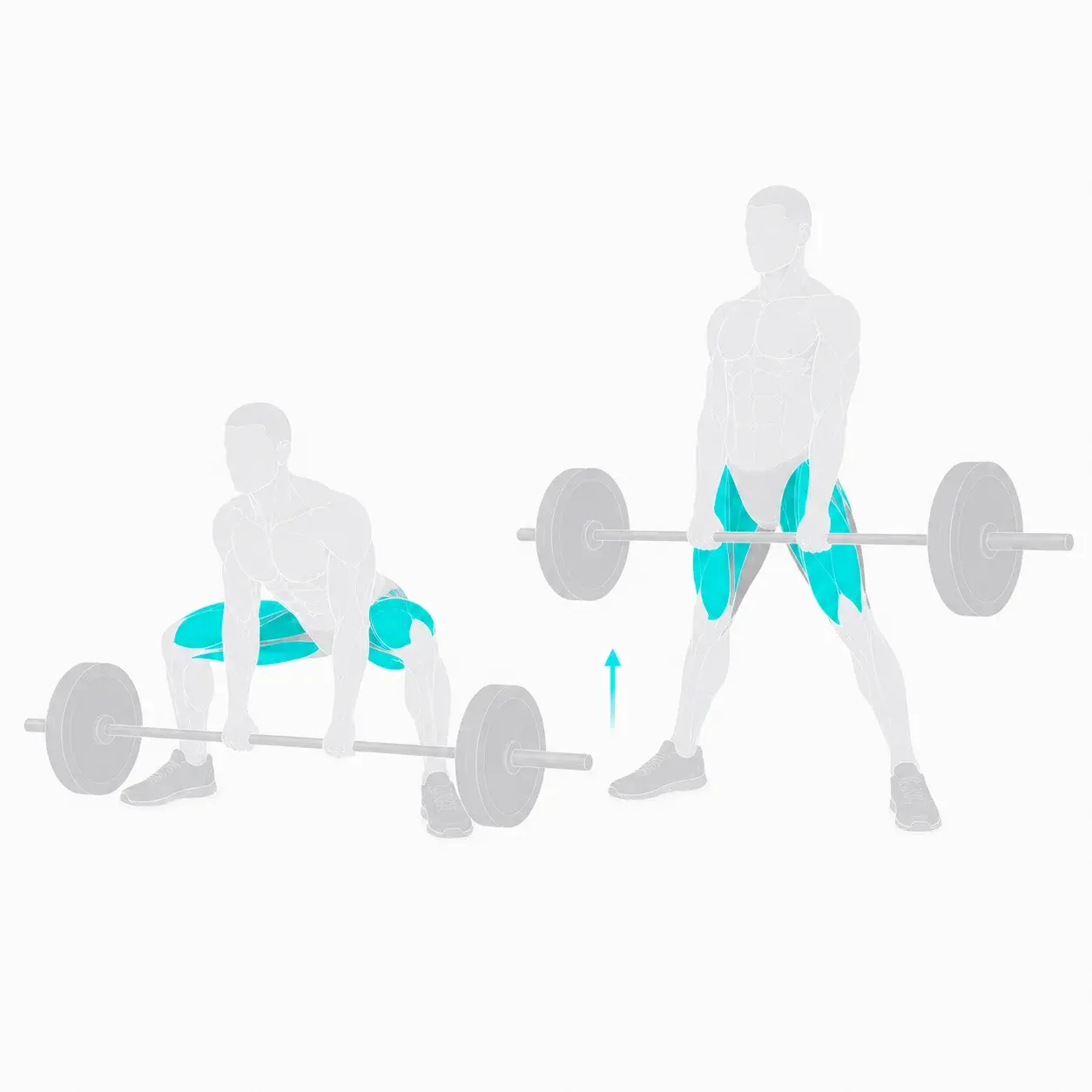
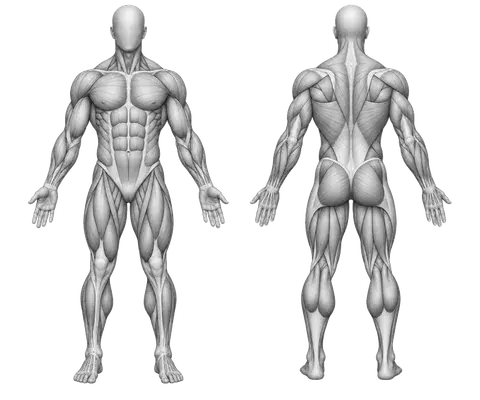
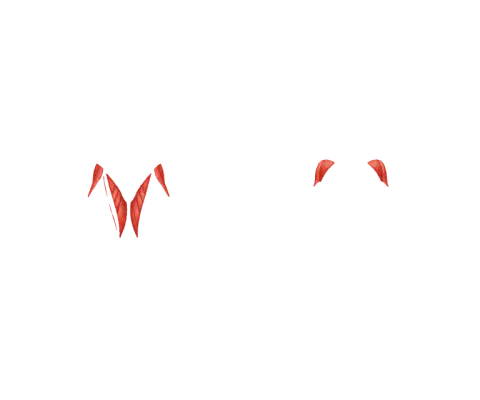

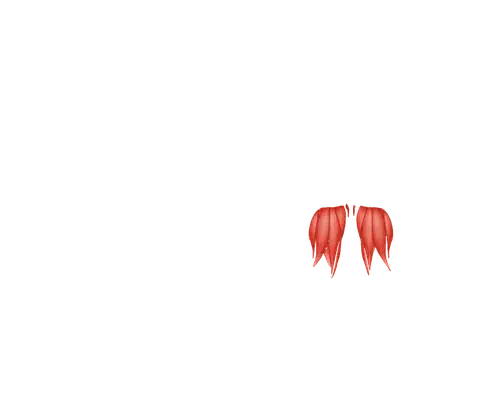


Side by side
| Sumo deadlift | Barbell deadlift | |
|---|---|---|
| Target muscle in GymTribe | Glutes | Lower back |
| Also works | Adductors, Quads, Hamstrings, Lower back, Traps | Glutes, Hamstrings, Quads, Traps, Forearms |
| Equipment | Barbell and plates | Barbell and plates |
| Level in the app | Advanced | Intermediate |
| Logged as | Weight and reps | Weight and reps |
What is different
- Bar path and range
- Sumo shortens the distance the bar travels by 10 to 20%, because the wide stance lowers the hips. Breaking the floor is harder in sumo; the lockout is easier.
- Which muscles do more
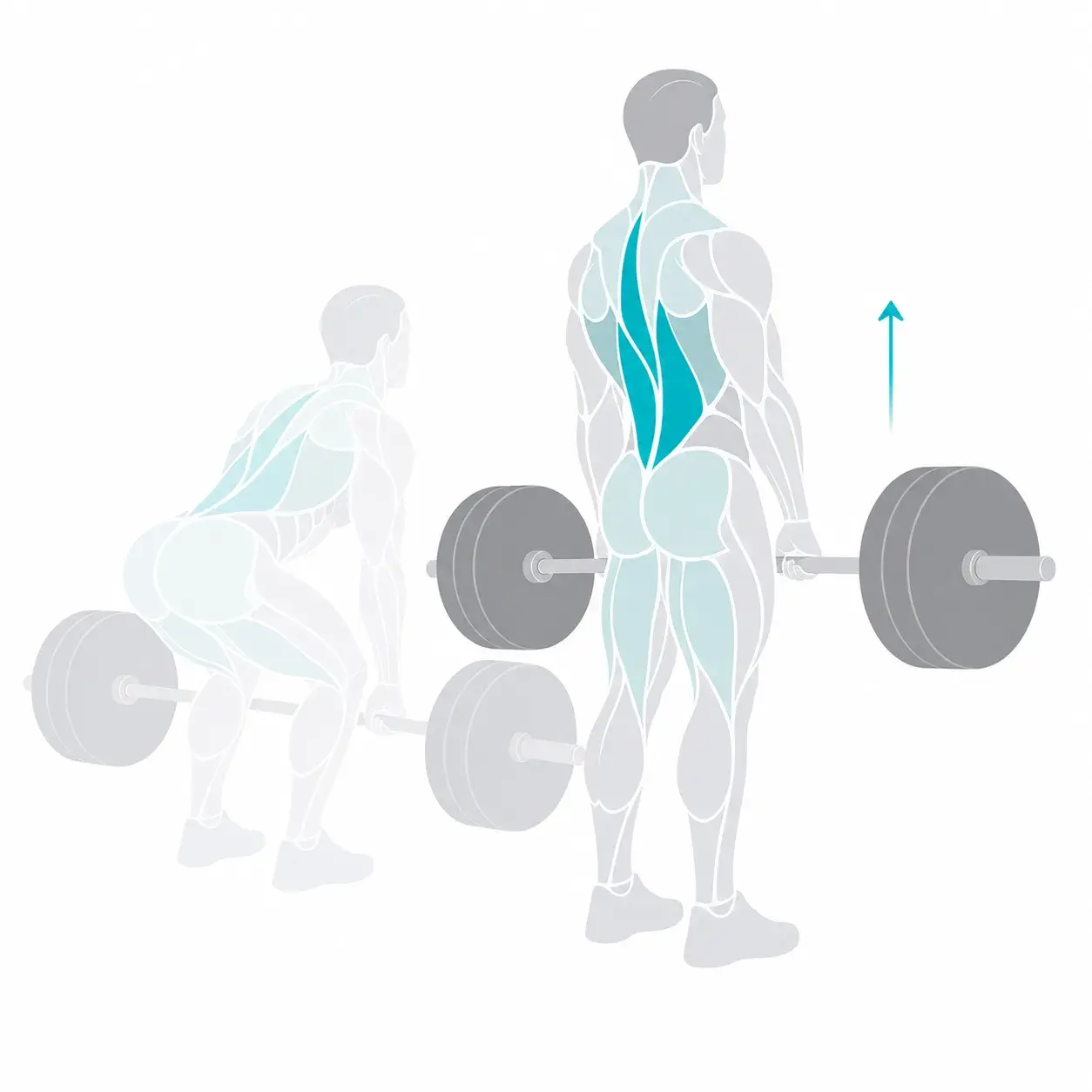
- Conventional leans the torso further over the bar, so the lower back, hamstrings and glutes carry more. Sumo keeps the torso more upright, so the quads, glutes and inner thigh (adductors) share more of the work.
- Mobility it needs
- Sumo needs enough hip mobility to sit between the feet with the shins vertical and the toes out. Conventional needs enough hamstring length to reach the bar with a flat back.
- In GymTribe
- Both count toward the lower back in the muscle map and keep separate charts and records, so you can run a block of each and compare the trends.
Which one to pick
Pick the sumo deadlift when…
- A wide stance lets you set a flat back with the bar close to your shins.
- You want more quad and glute involvement in your pull.
- You have a long torso relative to your legs.
Pick the deadlift when…
- You want the most hamstring and lower-back work from one lift.
- You have long arms or a short torso and set up easily over the bar.
- You also train the Romanian deadlift and want the same hinge pattern.
Running both
Run one as your main pull for 8 to 12 weeks and the other as a lighter second pull for sets of 5 to 8, then swap. Keep the stance that lets you lift the most with a flat back as the main one.
Track both and see which moves
Log the weight and reps of every set in GymTribe. Sumo deadlift and barbell deadlift each keep their own charts and personal records, and the muscle map shows how many sets went to each muscle this week, so you can see which lift is doing the work for you.

More comparisons
Technique here is common practice, not a prescription. If a lift hurts, stop and ask a qualified coach or clinician.
Sumo deadlift vs barbell deadlift: questions people ask
Is sumo deadlift cheating?
No. It is a legal stance in every powerlifting federation. The bar travels a shorter distance, but the start off the floor is harder and the hips and adductors do more work.
Which deadlift is easier on the lower back?
Sumo keeps the torso more upright, so the lower back is loaded less at the start. Both can be done with a flat back; the lift that lets you keep that position under load is the one to use.
Should beginners learn sumo or conventional?
Either. Most coaches start with conventional because the setup is simpler, then try sumo after a few months to see which stance feels stronger.
Can I switch between them in the same program?
Yes. A common pattern is a heavy day of one and a lighter day of the other. Log them as separate exercises so each keeps its own estimated 1RM and records.