

Barbell front squat vs barbell back squat
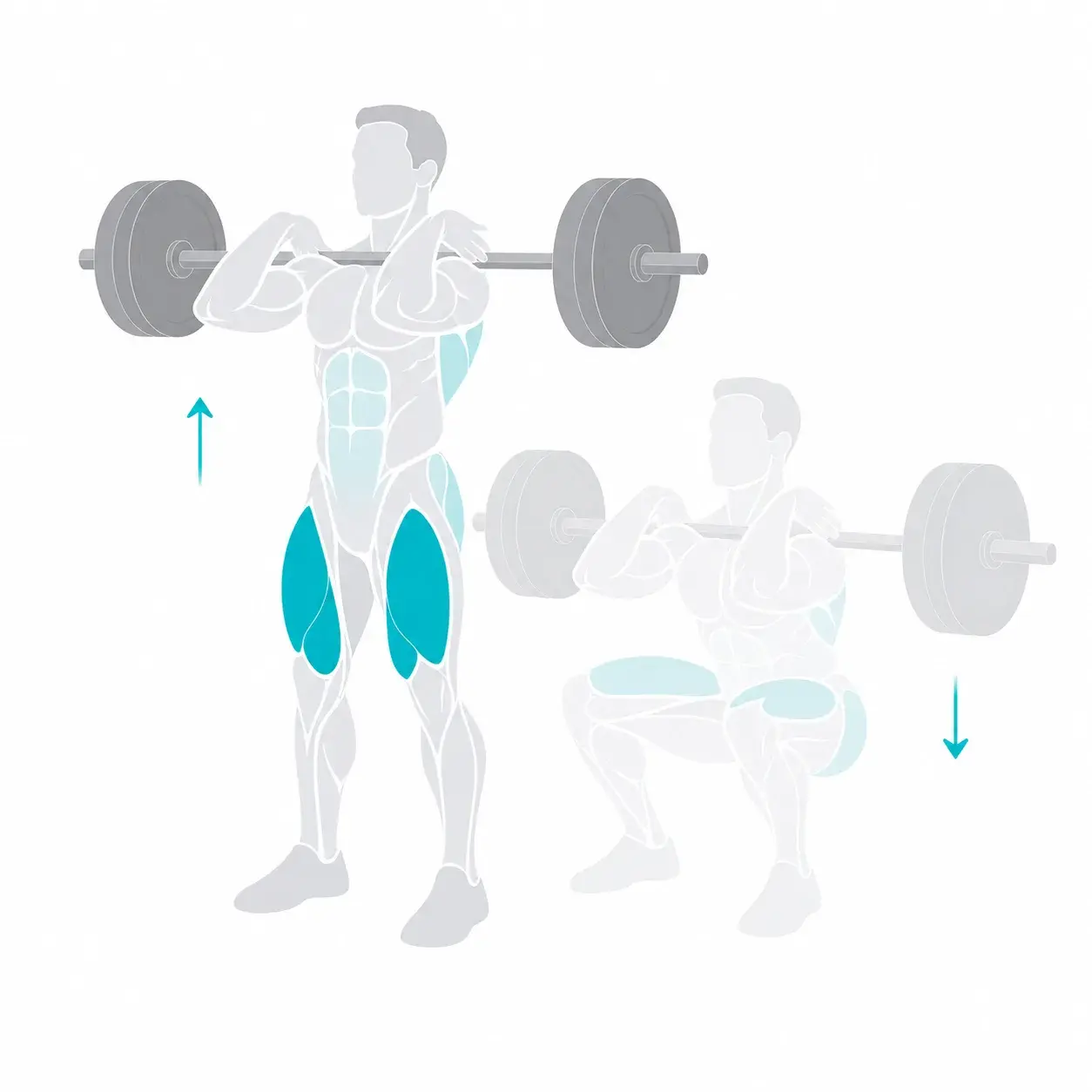
Same movement, different bar position. The back squat rests the bar across the upper back; the front squat holds it on the front of the shoulders. That one change alters how upright you stay, which muscles do the most work and how much weight you can use.
Short answer
Pick the back squat to lift the most weight and train the whole lower body and hips. Pick the front squat to emphasise the quads and upper back with a more upright torso, at about 80 to 85% of your back squat weight.

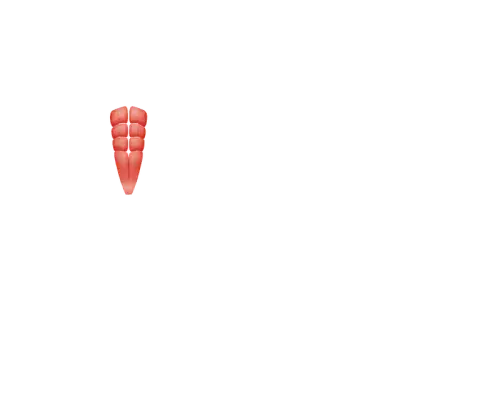
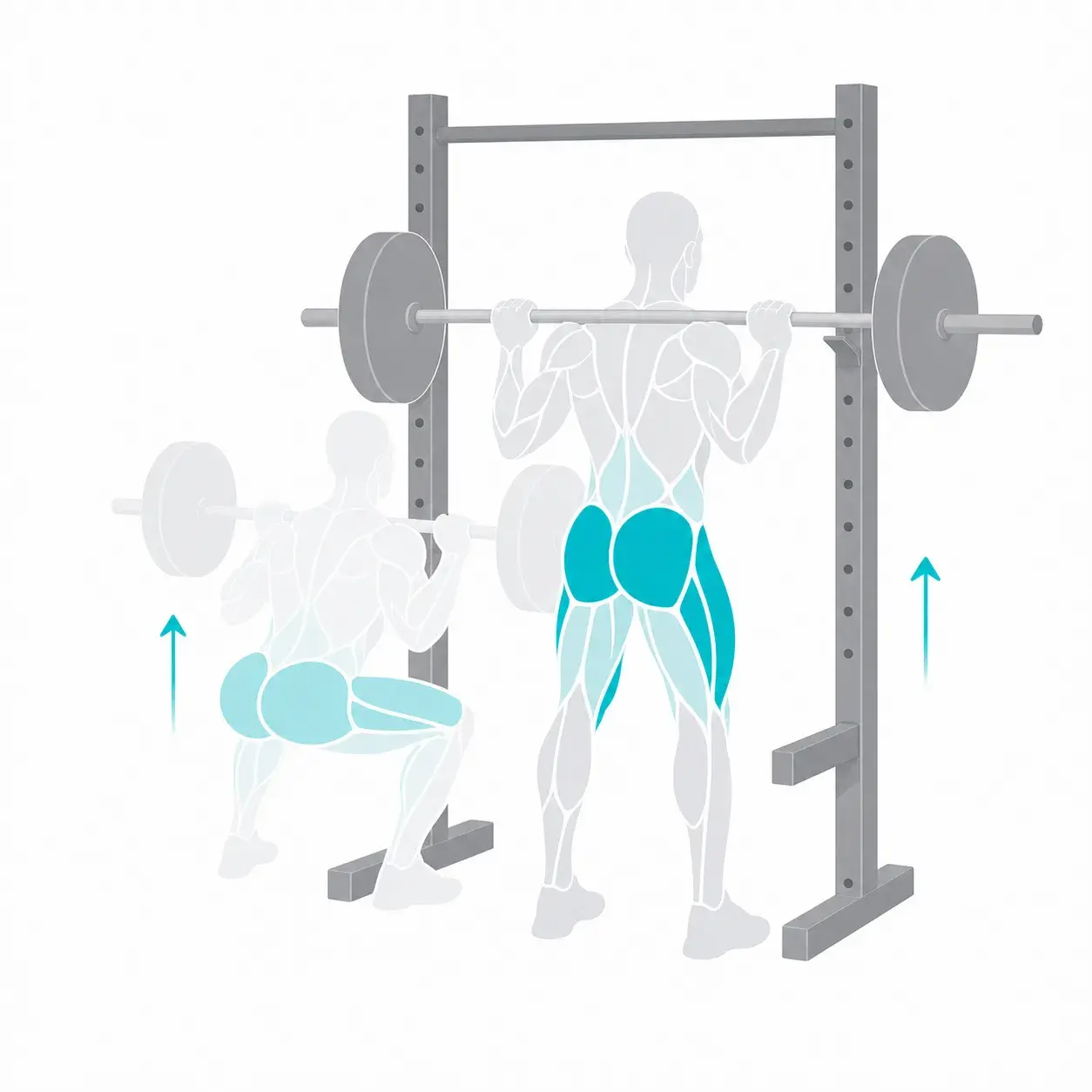

Side by side
| Barbell front squat | Barbell back squat | |
|---|---|---|
| Target muscle in GymTribe | Quads | Quads |
| Also works | Glutes, Adductors, Upper back, Abs | Glutes, Adductors, Hamstrings, Lower back |
| Equipment | Barbell and squat rack | Barbell and squat rack |
| Level in the app | Advanced | Intermediate |
| Logged as | Weight and reps | Weight and reps |
What is different
- Torso angle
- With the bar in front, you have to stay upright or the bar rolls forward, so the knees travel further forward and the quads do more. With the bar on the back, the torso leans forward more, which brings the hips and glutes in and lets you use more weight.
- What holds the bar
- The front squat needs mobile wrists or a cross-arm grip and a strong upper back to keep the elbows high. The back squat needs enough shoulder mobility to hold the bar behind you, and the upper back works less.
- How heavy
- Most lifters front squat about 80 to 85% of their back squat. The limit is often the upper back folding, not the legs, which is why the front squat is usually trained for 3 to 8 reps rather than high-rep sets.
- Depth
- Front squats are usually easier to take deep, because the upright torso lets the hips sit between the heels. Back squats can go as deep, but the forward lean tends to stop many lifters just below parallel.
Which one to pick
Pick the front squat when…
- You want more quad emphasis and an upright trunk.
- You do Olympic lifts, or want to, since the clean ends in a front squat.
- Your lower back fatigues before your legs in the back squat.
Pick the back squat when…
- You want the highest weight and the biggest total leg and hip stimulus.
- You are training for powerlifting or a strength test that uses it.
- Your wrists or shoulders do not tolerate the front rack.
Running both
A common split is a heavy back squat day for 3 to 5 reps and a front squat day for 5 to 8 reps. If you keep only one, the back squat is the general choice; switch to front squats for a block when your quads lag or your back needs a lighter stretch.
Track both and see which moves
Log the weight and reps of every set in GymTribe. Barbell front squat and barbell back squat each keep their own charts and personal records, and the muscle map shows how many sets went to each muscle this week, so you can see which lift is doing the work for you.

More comparisons
- Romanian deadlift vs barbell deadlift →
- Hack squat vs leg press →
- Sumo deadlift vs barbell deadlift →
- Chin-up vs pull-up →
Technique here is common practice, not a prescription. If a lift hurts, stop and ask a qualified coach or clinician.
Barbell front squat vs barbell back squat: questions people ask
Is the front squat better for quads?
It biases them more, yes. The upright torso and forward knee travel put a larger share of the work on the quads, while the back squat spreads it across quads, glutes and the hips.
How much less should I front squat than back squat?
About 15 to 20% less is typical. If your front squat is below 70% of your back squat, the upper back or the rack position is usually the limit, not leg strength.
Which is better for beginners?
Most people learn the back squat first, because the bar position is easier to hold. The goblet squat is a good bridge to the front squat if the front rack is uncomfortable.
Does the front squat count toward the same muscle in GymTribe?
Both count toward the quads in the muscle map, and each has its own charts and records, so you can track them separately.