

Lat pulldown vs pull-up
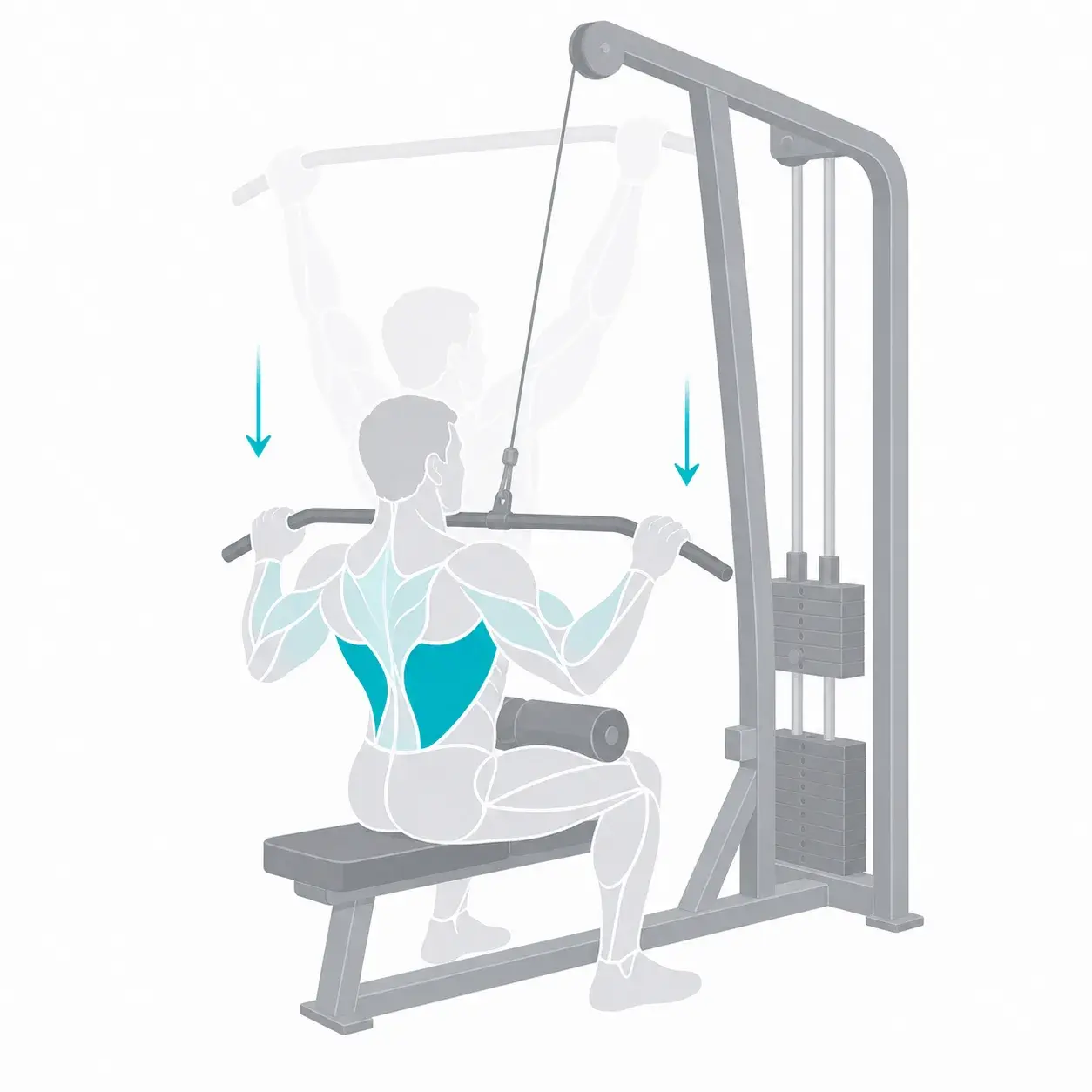
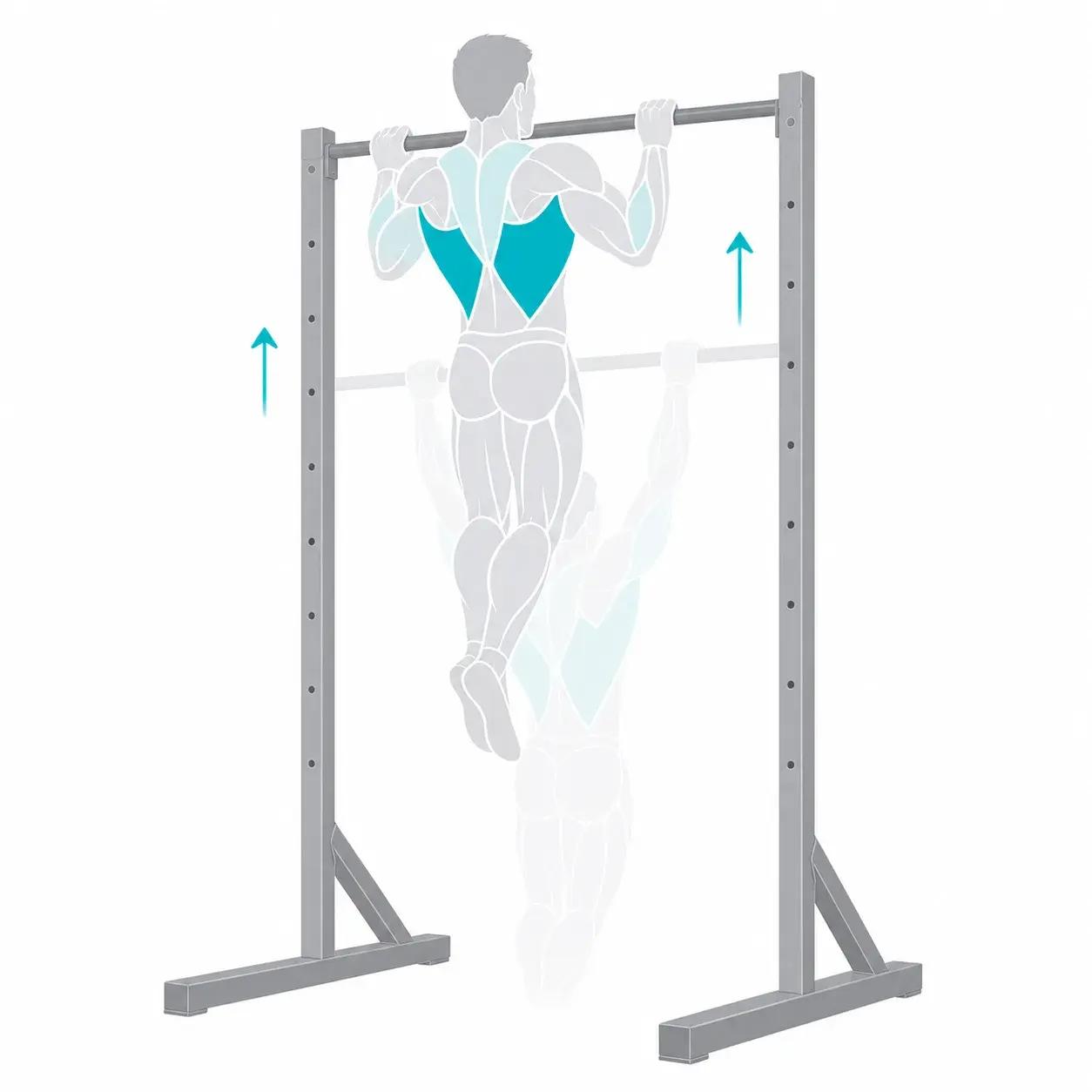
The pull-up lifts your body to a fixed bar; the lat pulldown pulls a bar down to a fixed body. The lats, biceps and upper back do the work in both. The difference is who sets the weight: your body weight on the pull-up, the stack on the pulldown.
Short answer
Pick the lat pulldown to choose the weight exactly, build toward a first pull-up or do high-rep sets. Pick the pull-up once you can do a few, because moving your own body trains the trunk and grip as well and progresses to weighted work.




Side by side
| Lat pulldown | Pull-up | |
|---|---|---|
| Target muscle in GymTribe | Lats | Lats |
| Also works | Biceps, Upper back, Rear delts | Biceps, Upper back, Rear delts, Forearms |
| Equipment | Lat pulldown machine with a long bar | A pull-up bar |
| Level in the app | Beginner | Intermediate |
| Logged as | Weight and reps | Reps, weight once added |
What is different
- Choosing the load
- A pulldown can be any weight on the stack, which makes it the easier lift to progress by small steps and to take to 12 or 15 reps. A pull-up is your body weight until you add a belt, and lighter only with a band or an assisted machine.
- What else works
- On a pull-up the abs and hip flexors hold the body still and the grip carries you for the whole set. On a pulldown the thigh pads hold you down, so the trunk and grip do less.
- Stroke
- Both pull the elbows down and back to bring the bar to the upper chest. The pulldown allows a slight lean back; the pull-up keeps the body nearly vertical with the chest up.
- In GymTribe
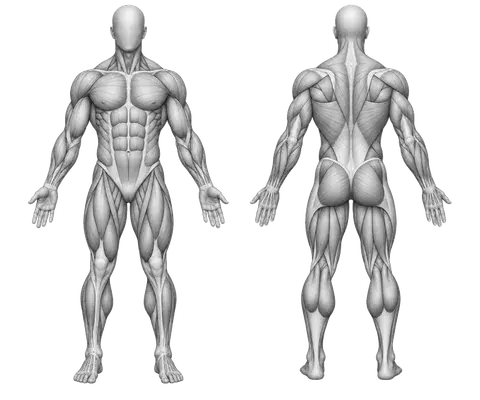
- Both count toward the lats in the muscle map. The pulldown keeps weight charts and an estimated 1RM; the pull-up keeps rep records until you add weight, then both.
Which one to pick
Pick the lat pulldown when…
- You cannot do a pull-up yet and want to build the strength for it.
- You want to set the weight precisely and run higher reps.
- Your grip or trunk tires before your lats on pull-ups.
Pick the pull-up when…
- You can do a few and want the harder, fuller version of the movement.
- You train with minimal equipment.
- You want the trunk and grip work that comes with moving your own body.
Running both
Do pull-ups first while you are fresh, for as many clean reps as you have, then finish the lats with pulldowns for 10 to 15. Beginners can reverse it: pulldowns to build strength, then negatives or band-assisted pull-ups.
Track both and see which moves
Log the weight and reps of every set in GymTribe. Lat pulldown and pull-up each keep their own charts and personal records, and the muscle map shows how many sets went to each muscle this week, so you can see which lift is doing the work for you.

More comparisons
Technique here is common practice, not a prescription. If a lift hurts, stop and ask a qualified coach or clinician.
Lat pulldown vs pull-up: questions people ask
Is the lat pulldown as good as pull-ups?
For the lats, close to it: both work the same muscles through a similar stroke. The pull-up adds trunk and grip work and is usually harder; the pulldown is easier to load and progress.
How much should I pulldown to do a pull-up?
Being able to pull about 80 to 90% of your body weight on the stack for a few reps usually means a first pull-up is close. Add negatives from the top to bridge the gap.
Can I build a big back with only pulldowns?
Yes, with enough weight and effort. Pull-ups are not required; they are just a convenient progression that needs no machine.
Should the bar go behind the neck?
Most coaches advise pulling to the upper chest. Behind-the-neck pulldowns need a lot of shoulder mobility and give no extra lat work.