

Bulgarian split squat vs lunge
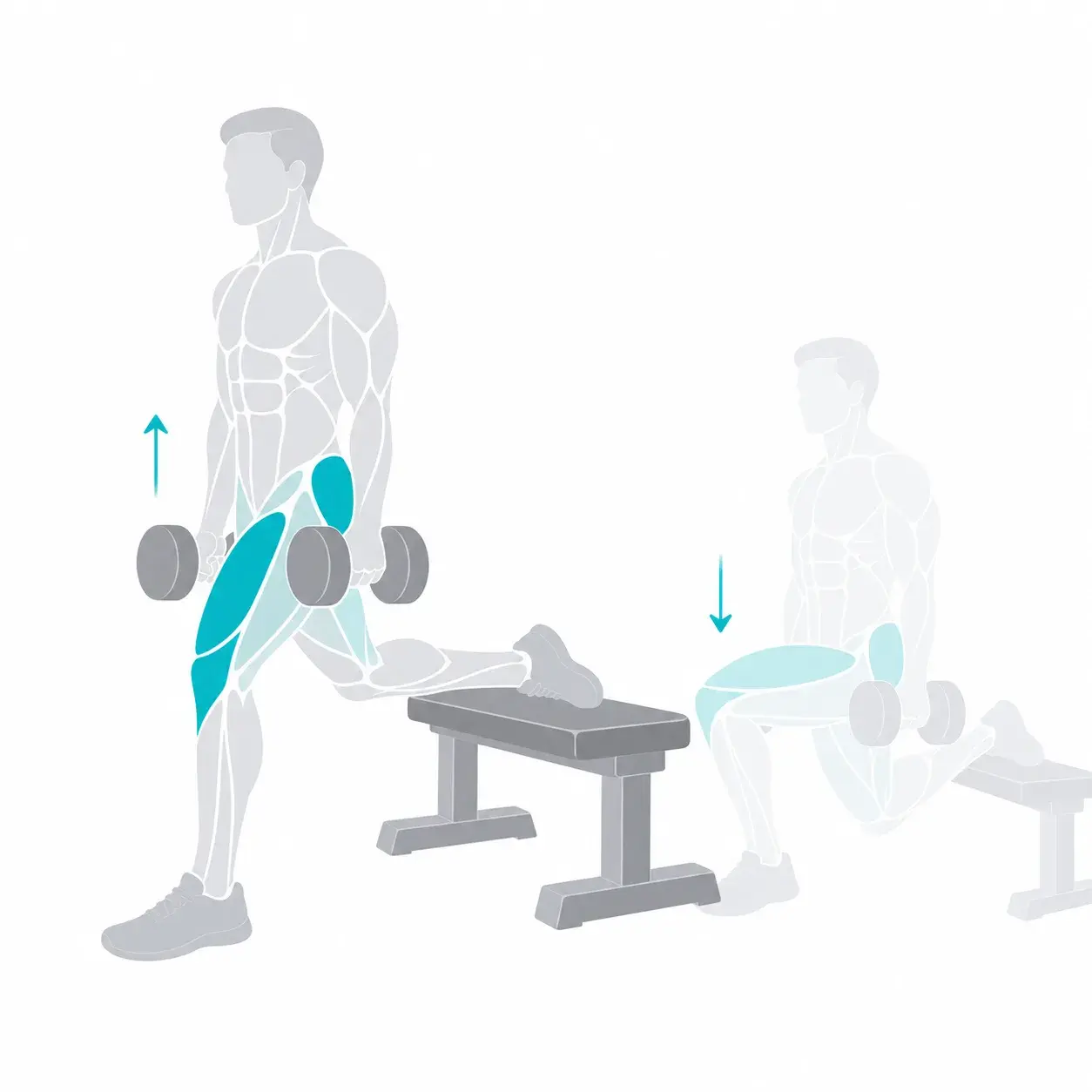
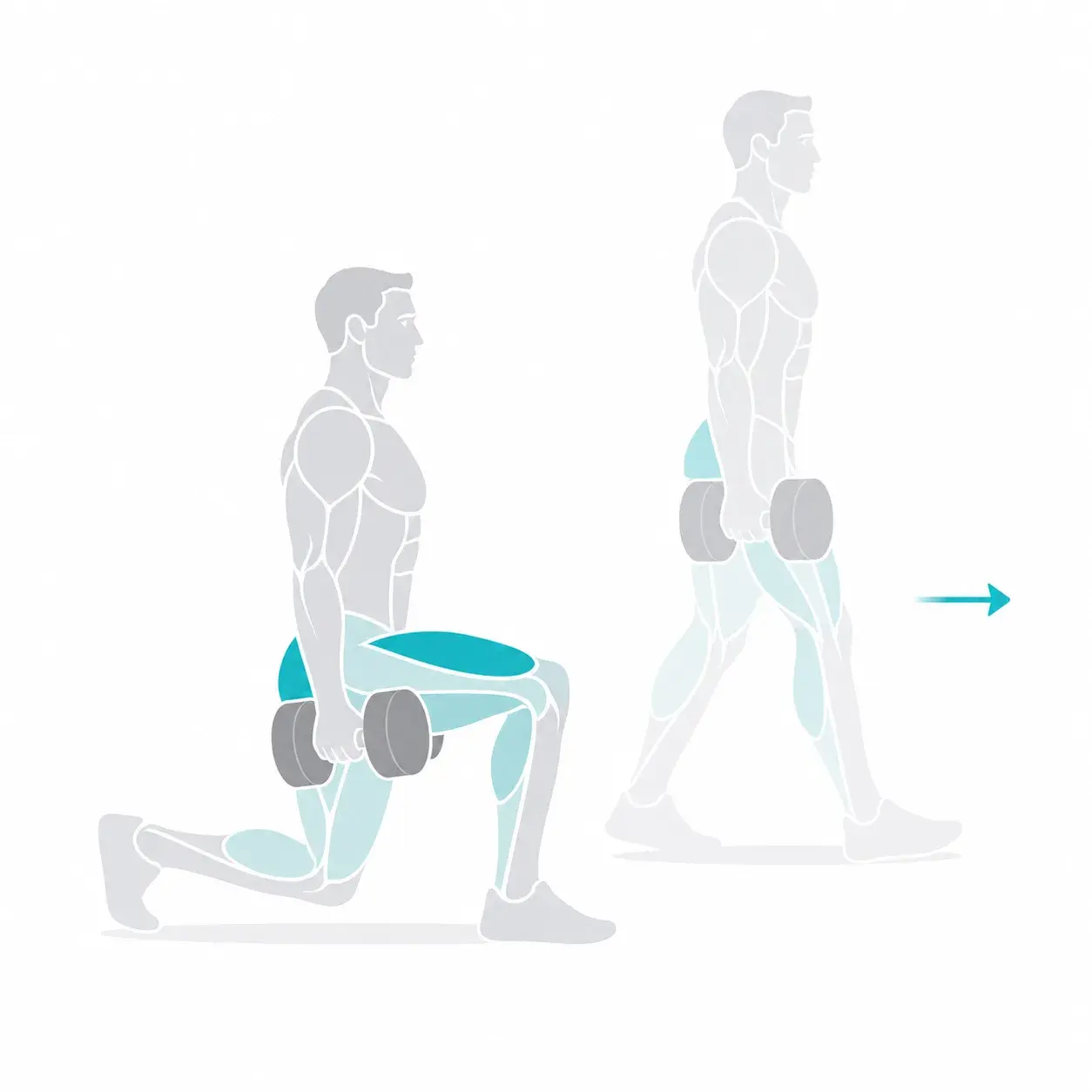
Both are single-leg exercises that target the quads in GymTribe, with the glutes, adductors and hamstrings helping. The Bulgarian split squat keeps your back foot raised on a bench and stays in one place; the walking lunge steps forward into each rep, carrying a dumbbell in each hand.
Short answer
Pick the Bulgarian split squat to load one leg hard in a fixed position and build strength rep by rep. Pick the walking lunge for a moving, rhythmic leg exercise that also trains balance and grip. Both build the legs; the split squat is usually the harder of the two.
Bulgarian split squat
In the GymTribe library as Bulgarian Split Squat

Side by side
| Bulgarian split squat | Walking dumbbell lunge | |
|---|---|---|
| Target muscle in GymTribe | Quads | Quads |
| Also works | Glutes, Adductors, Hamstrings | Glutes, Adductors, Hamstrings, Forearms |
| Equipment | A bench; dumbbells to add weight | Dumbbells and a clear walkway |
| Level in the app | Intermediate | Intermediate |
| Logged as | Reps, weight once added | Weight and reps |
What is different
- Fixed or moving
- The split squat stays in place: you finish all reps on one leg, then switch. The walking lunge moves you forward and alternates legs every step, so each rep starts with a step and ends standing.
- How much the front leg carries
- With the back foot on a bench, the back leg can push very little, so the front leg does nearly all the work. In a lunge the back foot is on the floor and helps more, so the front leg carries less per rep.
- Space and equipment
- The split squat needs a bench and a small patch of floor; dumbbells are optional. The walking lunge needs dumbbells and a clear walkway, which can be hard to find in a busy gym.
- How each is logged
- GymTribe tracks the Bulgarian split squat per side, as reps with weight once you add dumbbells. The walking lunge is logged as weight and reps.
Which one to pick
Pick the Bulgarian split squat when…
- You want the hardest single-leg exercise for the quads and glutes.
- You have a bench but little space to walk.
- You want to load one leg at a time and compare sides set by set.
Pick the walking lunge when…
- You want a leg exercise that also trains balance, grip and conditioning.
- The split squat stretch on the back hip is uncomfortable for you.
- You have room to walk and want a rhythmic finisher.
Running both
A common leg day has a squat or leg press first, then one single-leg exercise. Use split squats for sets of 6 to 10 per leg when you want strength, and walking lunges for 10 to 20 steps when you want volume. Rotate them every few weeks.
Track both and see which moves
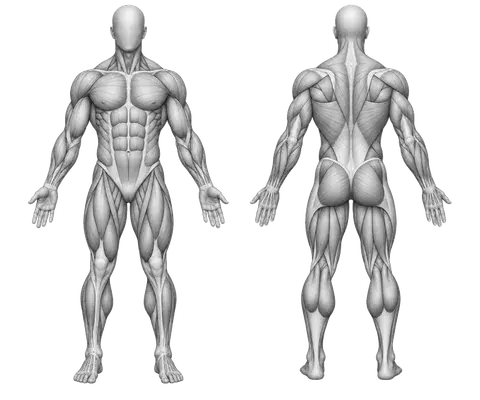
Log the weight and reps of every set in GymTribe. Bulgarian split squat and walking dumbbell lunge each keep their own charts and personal records, and the muscle map shows how many sets went to each muscle this week, so you can see which lift is doing the work for you.

More comparisons
- Romanian deadlift vs barbell deadlift →
- Hack squat vs leg press →
- Barbell front squat vs barbell back squat →
- Sumo deadlift vs barbell deadlift →
Technique here is common practice, not a prescription. If a lift hurts, stop and ask a qualified coach or clinician.
Bulgarian split squat vs lunge: questions people ask
Are Bulgarian split squats better than lunges?
They are harder per rep, because the raised back foot leaves the front leg doing almost all the work. Lunges are easier to load and to learn and add more balance and grip. Better depends on your goal; both build the legs.
Can I replace Bulgarian split squats with lunges?
Yes, for most goals. Reverse or walking lunges train the same muscles. Expect to use more weight or more reps on lunges to make them as hard.
Should I do lunges and Bulgarian split squats in the same workout?
You can, but most people pick one single-leg exercise per session. Doing both on one day adds a lot of leg fatigue for a small extra gain.
Why are Bulgarian split squats so hard?
The front leg carries almost your full body weight plus any dumbbells, through a deep bend, while you balance on one foot. That is why many people use much lighter weights than they lunge with.